**How Businesses Plan Digital Transformation Projects
Digital transformation projects can change how a business operates, serves customers, manages information, and makes decisions. But successful transformation rarely begins with purchasing new software or moving everything to the cloud.
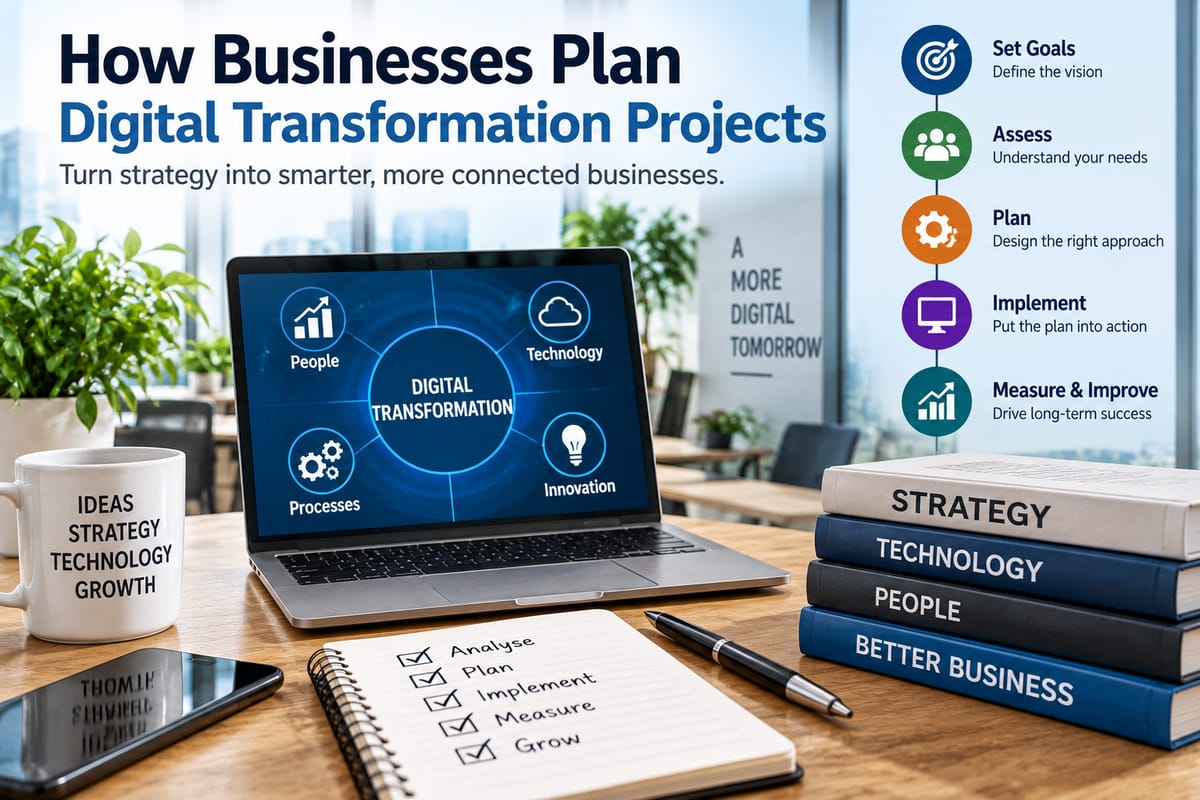
Businesses typically start by identifying a problem or opportunity, defining measurable goals, assessing their existing technology environment, planning the required changes, and determining how the organization will implement them.
Because transformation can affect multiple departments at once, planning is especially important. A technology upgrade that looks straightforward from an IT perspective can influence employees, customers, business processes, budgets, security, and day-to-day operations.
What Is a Digital Transformation Project?
A digital transformation project is an organized effort to use digital technologies to improve or fundamentally change business processes, services, operations, or customer experiences.
Projects can range from relatively focused improvements to organization-wide programs.
Examples include:
- Replacing legacy business software
- Moving applications to cloud platforms
- Automating repetitive processes
- Introducing artificial intelligence
- Modernizing customer service
- Creating digital sales channels
- Connecting previously separate systems
- Improving data analytics
- Digitizing paper-based workflows
- Strengthening cybersecurity
- Developing new digital products
The scale varies, but the underlying objective is generally to use technology to address a business need.
The Complete Guide to Digital Transformation for Businesses provides broader context on how organizations approach this type of change.
Businesses Usually Start With a Business Problem
Technology should not normally be the starting point of a transformation project.
Instead, organizations can begin by asking what is not working effectively or what opportunity they want to pursue.
A company might discover that employees spend too much time entering information manually. Another business may find that customers struggle to complete purchases through its existing digital channels.
Other organizations may need to replace aging infrastructure because maintaining it has become increasingly difficult.
Starting with the business problem helps prevent a project from becoming an expensive technology exercise without a clear purpose.
Defining the Transformation Vision
Once the business challenge is understood, leaders can define what they want the organization to look like after the transformation.
The vision might involve:
- Faster customer service
- Lower operating costs
- Better access to information
- More efficient workflows
- Improved employee experiences
- Greater operational flexibility
- New revenue opportunities
- Better risk management
A transformation vision provides direction for subsequent technology and process decisions.
It can also help different departments understand how their individual projects contribute to broader organizational objectives.
Setting Specific Objectives
A broad goal such as "become more digital" is difficult to manage.
Businesses generally need more specific objectives that can be measured.
For example, a company could aim to reduce the time required to process customer orders, increase the percentage of transactions completed digitally, reduce manual data entry, or improve the speed at which management receives operational reports.
Specific objectives make it easier to determine whether the project is delivering the expected results.
Assessing the Existing Technology Environment
Before introducing new technology, businesses need to understand what they already have.
An assessment may cover:
- Applications
- Servers
- Networks
- Databases
- Cloud services
- Employee devices
- Cybersecurity controls
- Data storage
- Integrations
- Legacy systems
- IT support processes
This assessment can reveal outdated systems, duplicate applications, integration problems, security weaknesses, and infrastructure limitations.
The Complete Guide to IT Infrastructure for Businesses provides additional context on the technology foundations businesses need to consider during planning.
Mapping Existing Business Processes
Technology does not operate independently of business processes.
Before automating or replacing a process, organizations often map how the process currently works.
For example, a company might document how a customer order moves from initial purchase through payment, inventory confirmation, fulfillment, delivery, and accounting.
Process mapping can reveal unnecessary approvals, duplicate data entry, bottlenecks, and manual tasks.
It can also show where different systems exchange information.
Identifying Opportunities for Improvement
Once current processes are documented, project teams can identify areas where technology could create meaningful improvements.
Potential opportunities may include:
- Automating repetitive work
- Removing unnecessary steps
- Connecting separate systems
- Improving access to information
- Reducing manual errors
- Introducing self-service capabilities
- Improving communication between departments
Not every process needs to be transformed.
A practical approach is to focus resources on areas where improvements can produce meaningful business value.
Aligning Technology With Business Strategy
Digital transformation should support the organization's broader strategy.
A business focused on international expansion may prioritize scalable systems, multilingual digital services, and integrated financial operations.
A company competing primarily through customer experience might prioritize customer data, personalization, digital support, and faster service.
This is why technology planning should be connected to business priorities rather than treated as an isolated IT exercise.
Businesses can explore this relationship further through How to Develop a Business Technology Strategy Aligned With Organizational Goals.
Determining Which Projects Should Come First
Large organizations may identify dozens of potential transformation opportunities.
Trying to implement everything simultaneously can overwhelm budgets, employees, and technical teams.
Businesses can therefore prioritize projects according to factors such as:
- Business impact
- Customer impact
- Cost
- Complexity
- Risk
- Regulatory requirements
- Technical dependencies
- Expected return
- Availability of internal resources
A project with relatively high business value and manageable complexity may be suitable for an earlier phase, while a highly complex initiative may require additional preparation.
Creating a Transformation Roadmap
A roadmap organizes transformation into stages.
Instead of viewing digital transformation as one enormous project, businesses can divide it into manageable initiatives.
A roadmap might include:
- Current-state assessment
- Strategy and goal definition
- Technology selection
- Process redesign
- Pilot implementation
- Initial deployment
- Employee training
- Wider rollout
- Performance measurement
- Continuous improvement
The precise sequence varies according to the organization and project.
A roadmap gives leaders a way to understand dependencies and coordinate multiple workstreams.
Choosing Between Building, Buying, and Integrating
Businesses often have several ways to obtain the technology they need.
They can build software internally, purchase commercial products, subscribe to cloud-based services, or combine several approaches.
Each option has different implications.
Building software can provide customization but may require significant development resources. Commercial software can provide established capabilities but may impose limitations on customization. Cloud services can reduce certain infrastructure responsibilities but introduce considerations involving vendors, data, security, and integration.
Businesses must evaluate these trade-offs against their specific requirements.
Evaluating Technology Vendors
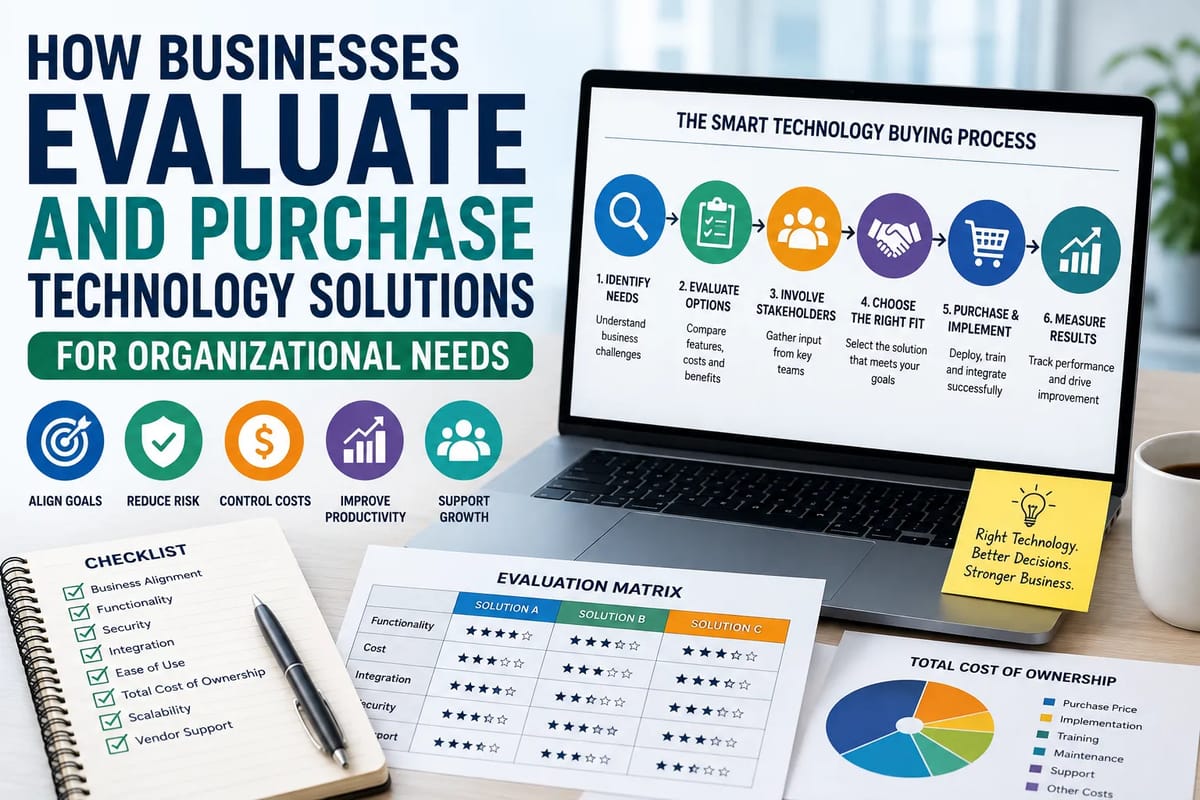
When a project involves external technology providers, businesses generally need a structured vendor evaluation process.
Important considerations can include:
- Functional capabilities
- Integration options
- Security
- Reliability
- Scalability
- Pricing
- Support
- Implementation requirements
- Data portability
- Vendor stability
- Contract terms
The cheapest option is not necessarily the least expensive over the full life of a project.
Implementation costs, training, integration, maintenance, upgrades, and migration can all contribute to the total cost of ownership.
Planning the Data Transition
Data is often one of the most complicated parts of transformation.
Organizations may have information spread across databases, spreadsheets, applications, documents, and legacy platforms.
Moving that information into a new environment can involve:
- Data extraction
- Cleaning
- Deduplication
- Validation
- Transformation
- Migration
- Testing
- Backup
- Access control
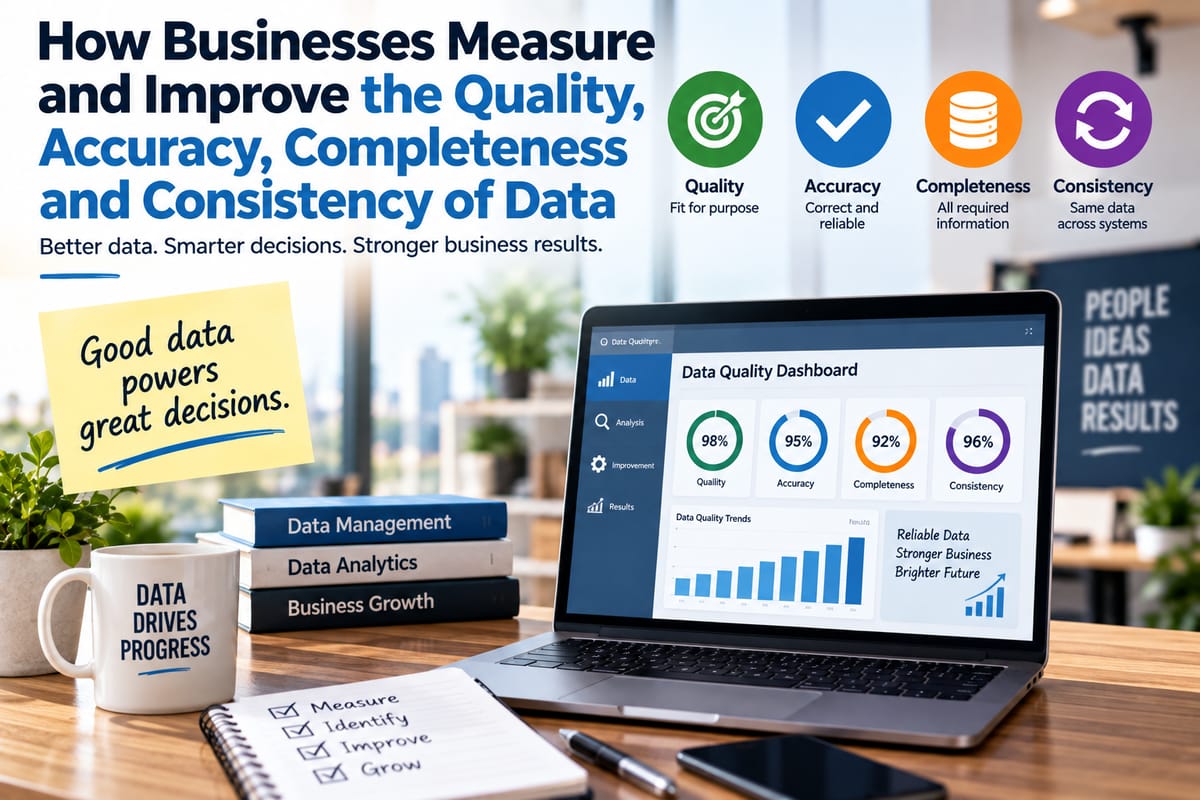
Poor-quality data can undermine an otherwise successful technology implementation.
Businesses therefore need to determine which data should be transferred, how it should be structured, and how its accuracy will be validated.
Designing System Integrations
Modern organizations rarely use a single application for every business function.
A transformation project may therefore require new systems to communicate with existing platforms.
For example, an e-commerce system might need to exchange information with inventory, payment, accounting, logistics, and customer relationship systems.
Integration planning determines how information will move between these platforms.
Application programming interfaces, integration platforms, databases, and event-driven systems can all play roles depending on the architecture.
Considering Cybersecurity From the Beginning
Security should be incorporated into transformation planning rather than added after implementation.
New applications, cloud services, integrations, and connected devices can introduce additional points that need to be protected.
Project teams may need to consider:
- Identity management
- Authentication
- Access controls
- Encryption
- Network security
- Data protection
- Monitoring
- Backup
- Incident response
- Vendor security
Security requirements can also affect technology selection and architecture.
Planning for Compliance and Governance
Businesses operating in regulated industries may have additional requirements governing how information is collected, stored, processed, and shared.
Transformation projects should therefore consider applicable legal, regulatory, contractual, and industry requirements.
Governance can also determine who is responsible for important decisions involving data, applications, security, and technology standards.
Clear ownership reduces the risk of important responsibilities being overlooked during implementation.
Estimating the Project Budget
Digital transformation can involve much more than the purchase price of new software.
A realistic budget may include:
- Software subscriptions
- Hardware
- Cloud services
- Consulting
- Development
- Integration
- Data migration
- Cybersecurity
- Training
- Change management
- Testing
- Ongoing support
- Maintenance
Businesses may also need to account for temporary productivity changes while employees learn new systems.
Understanding the full cost helps organizations evaluate whether the expected benefits justify the investment.
Managing Change Within the Organization
Technology changes how people work.
Employees may have to learn new applications, follow redesigned procedures, or take on different responsibilities.
This means digital transformation requires change management as well as technical implementation.
Businesses can support adoption through:
- Clear communication
- Employee training
- Practical documentation
- User testing
- Internal support
- Feedback channels
- Leadership involvement
Employees who understand the reason for a change may be better positioned to adapt to it.
Testing Before a Full Rollout
Deploying a new system across an entire organization immediately can increase risk.
Businesses often use pilots or phased implementations to test technology under realistic conditions.
A pilot can reveal:
- Unexpected technical problems
- Integration failures
- Data issues
- Workflow problems
- User difficulties
- Training gaps
Lessons from the pilot can then be used to improve the system before broader deployment.
Measuring Business Results
A transformation project needs measurable indicators of progress.
Depending on the project, businesses might monitor:
- Processing time
- Operating costs
- Customer satisfaction
- Employee productivity
- Digital adoption
- Error rates
- Revenue
- Conversion rates
- System availability
- Support requests
Measurement helps organizations determine whether the technology is producing the intended business outcomes.
It also provides information that can guide future improvements.
Digital Innovation Can Continue After the Project
Transformation is rarely a single event.
Once a business introduces new digital capabilities, it may identify additional opportunities to improve operations or create new services.
Emerging technologies can also create new possibilities.
How Digital Innovation Is Transforming Modern Companies explores how businesses can use digital innovation to change products, processes, and operating models.
Organizations therefore need to think beyond the initial implementation and establish processes for continuous improvement.
Common Mistakes in Transformation Planning
Several problems can weaken otherwise promising projects.
Focusing on Technology Instead of Outcomes
Selecting an impressive technology without identifying the business problem can result in limited practical value.
Trying to Change Everything at Once
Large transformation programs can become difficult to manage when too many initiatives are launched simultaneously.
Underestimating Data Migration
Moving information from older systems can take significant time and require extensive testing.
Ignoring Employees
A technically successful system can still struggle if employees do not adopt it.
Underestimating Integration
New applications often need to work with existing systems, making integration a major part of the project.
Treating Security as an Afterthought
Adding security controls late in the project can create delays and additional costs.
Measuring Only Technical Performance
A system can operate reliably without delivering the expected business benefits. Technical metrics should therefore be accompanied by business and user metrics.
How Businesses Can Keep Transformation Manageable
A structured approach can make complex transformation programs easier to control.
Businesses can begin with a clear business problem, establish measurable objectives, understand their current environment, and prioritize initiatives according to value and feasibility.
They can then develop a roadmap, select appropriate technologies, plan integrations and data migration, prepare employees, test the changes, and measure the results.
This approach allows organizations to learn during implementation instead of assuming that every detail can be predicted before the project begins.
Turning Digital Plans Into Business Change
Digital transformation succeeds through the combination of technology, processes, people, and strategy.
Businesses need technology that fits their operational requirements, processes that take advantage of new capabilities, employees who can use the systems effectively, and leadership that keeps projects connected to organizational objectives.
The most important planning question is therefore not simply which technology a company should purchase. It is how that technology will help the organization operate differently and achieve measurable business goals.
When transformation projects are planned around those outcomes, technology becomes a practical tool for business change rather than an end in itself.