How Future Technology Will Change Gadgets
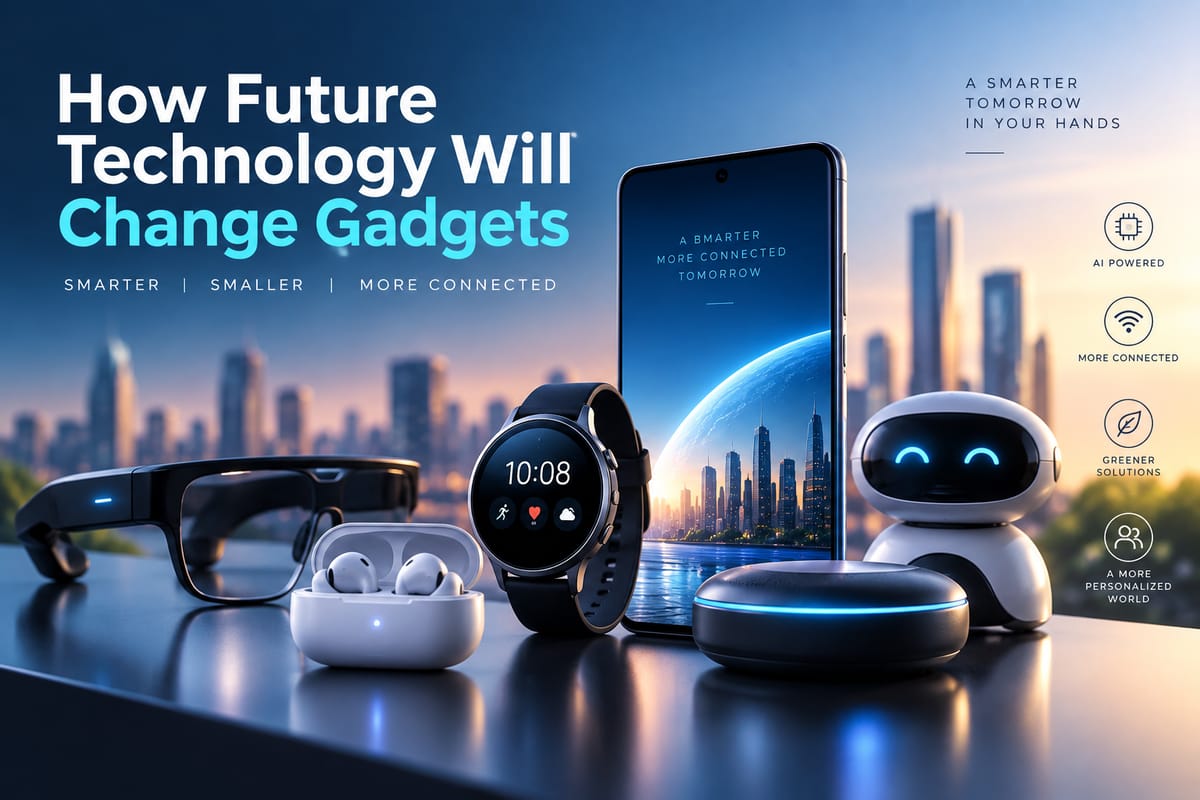
Gadgets have already transformed the way people communicate, work, travel, entertain themselves, and manage everyday tasks. Smartphones replaced many standalone devices, wireless earbuds removed the need for traditional cables, smartwatches brought health and communication tools to the wrist, and connected home devices made ordinary appliances more responsive.
The next generation of gadgets is likely to go much further.
Advances in artificial intelligence, flexible displays, advanced sensors, robotics, energy storage, connectivity, and increasingly powerful processors are changing what engineers can build into relatively small devices. Instead of simply becoming faster versions of today's products, future gadgets could become more adaptive, personalized, interconnected, and capable of acting on a user's behalf.
Understanding this shift starts with knowing what consumer gadgets are and how modern gadgets work. Once that foundation is clear, it becomes easier to see how emerging technologies could reshape the category.
Gadgets Are Becoming More Intelligent
One of the biggest changes will be the increasing role of artificial intelligence.
Today's gadgets can already recognize voices, identify objects in images, recommend content, translate languages, and automate certain tasks. Future devices could make these capabilities much more deeply integrated into everyday interactions.
A smartphone, for example, may eventually understand not only what a person says but also the context behind a request. Instead of opening several applications to complete a task, users could simply describe what they want to accomplish.
A future personal device might be able to:
- Organize appointments automatically
- Summarize conversations and documents
- Adjust settings based on user behavior
- Translate conversations in real time
- Identify problems with connected devices
- Suggest actions based on changing circumstances
- Coordinate tasks between multiple gadgets
This could make gadgets feel less like tools that require constant instructions and more like intelligent assistants.
Screens Could Become More Flexible
Displays are another area likely to change significantly.
Traditional glass screens have defined the design of smartphones, tablets, laptops, televisions, and many other gadgets. Flexible display technology could make screens easier to fold, roll, stretch, or integrate into unconventional surfaces.
A smartphone might unfold into a larger display when a user needs more workspace. A wearable device could potentially expand its display without becoming substantially larger when stored.
Flexible displays could also influence the design of laptops, gaming devices, automotive interfaces, and portable entertainment systems.
Rather than designing gadgets around rigid rectangular screens, manufacturers could begin designing the entire device around flexible surfaces.
Wearable Gadgets Could Become Less Noticeable
Wearable technology is likely to become smaller and more integrated into everyday objects.
Smartwatches are currently among the most recognizable wearable gadgets, but future technology could distribute computing and sensing capabilities across clothing, glasses, jewelry, headphones, and other accessories.
Smart glasses, for instance, could provide information without requiring a user to look down at a phone. Earbuds could become more capable computing interfaces rather than simply audio devices.
The goal will increasingly be to provide useful technology without making the technology itself feel intrusive.
Sensors Will Give Gadgets Better Awareness
Future gadgets will rely heavily on sensors.
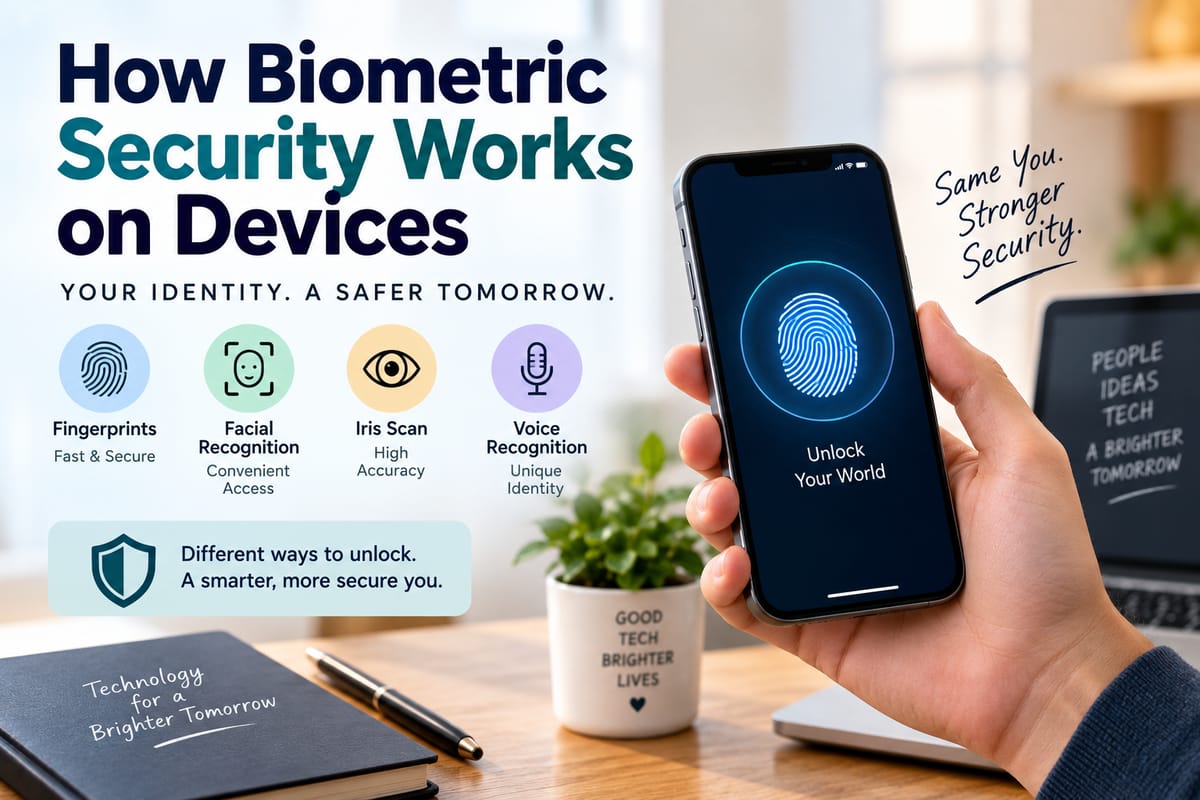
Cameras, microphones, motion sensors, environmental sensors, biometric systems, depth sensors, and other technologies allow devices to understand aspects of their surroundings.
As these components become smaller and more sophisticated, gadgets could become much better at responding to their environment.
A future device could detect changes in lighting, temperature, movement, noise, location, or user behavior and adjust itself accordingly.
For example, a wearable device might automatically modify its interface depending on whether the user is exercising, traveling, working, or relaxing.
This represents an important transition from gadgets that simply respond to commands toward gadgets that can interpret context.
Connectivity Will Link More Devices Together
The future of gadgets will not be limited to individual products. Increasingly, devices will operate as parts of larger ecosystems.
Smartphones, watches, computers, vehicles, home appliances, entertainment systems, and wearable devices can already communicate with one another. Improvements in wireless connectivity could make these relationships more seamless.
A person's devices could share information and coordinate tasks without requiring constant manual configuration.
For example, entering a home could trigger a sequence of automated actions. A vehicle could communicate with a smartphone and home system, while a wearable device could provide information to other connected equipment.
The broader complete guide to emerging technology and innovation helps illustrate why connectivity, artificial intelligence, advanced computing, and other developments are increasingly converging rather than evolving independently.
Battery Technology Will Shape Future Designs
Battery limitations remain one of the biggest challenges for portable gadgets.
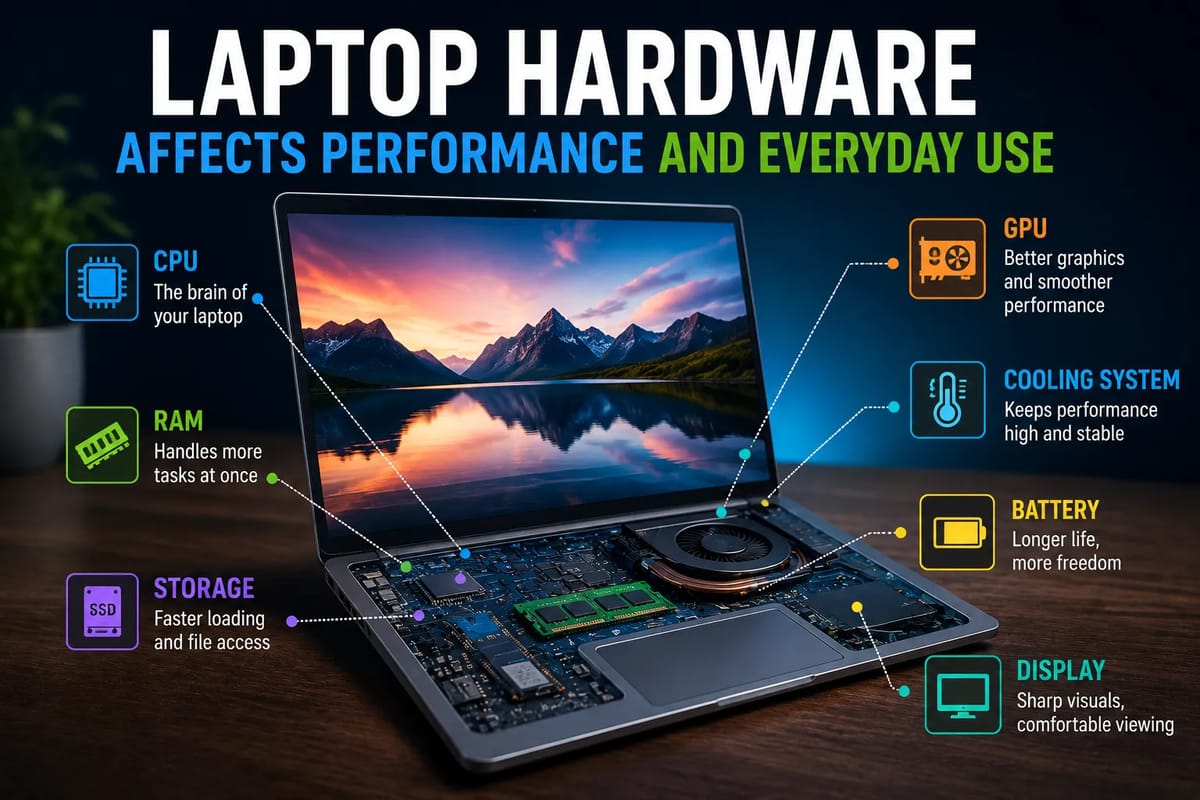
More powerful processors, brighter displays, advanced sensors, and AI features can all increase energy consumption. As gadgets become more capable, improvements in battery technology will become increasingly important.
Future batteries could potentially provide greater energy density, faster charging, longer operating times, or improved durability.
Better energy management may also make a major difference. Devices could use AI and specialized processors to determine when high performance is necessary and when lower-power operation is sufficient.
This could allow manufacturers to build more capable gadgets without making them significantly larger.
Gadgets Could Become More Repairable and Durable
Future technology may also change how consumers think about gadget ownership.
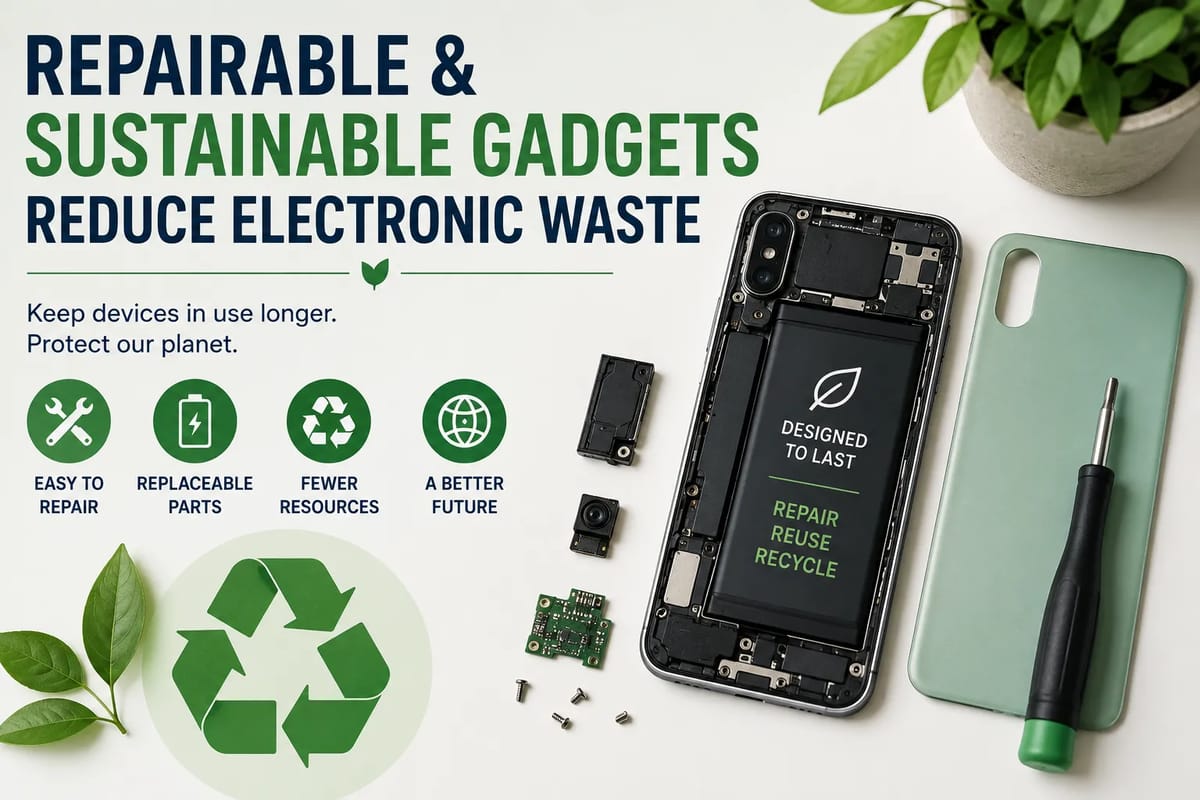
For years, rapid product cycles have encouraged people to replace smartphones, computers, watches, and other electronics relatively frequently. But growing attention to electronic waste, repairability, sustainability, and ownership costs could encourage manufacturers to build products that remain useful for longer.
Modular components could allow certain parts to be upgraded or replaced without replacing an entire device.
Software support will matter just as much. A gadget with capable hardware may remain useful for years if manufacturers continue providing security updates, operating system improvements, and compatibility with newer services.
Consumers should therefore consider not only specifications and features but also how product lifespan affects value when evaluating future technology.
Artificial Intelligence Could Change How Gadgets Are Controlled
The traditional interface for gadgets has been built around buttons, menus, touchscreens, and application icons.
AI could change that model.
Instead of navigating through multiple settings, users could communicate with devices using natural language. Voice, text, gestures, facial expressions, and other forms of interaction could work together.
A person might tell a device to prepare a presentation, adjust the room environment, organize photographs, or find information without manually opening several applications.
This does not necessarily mean traditional interfaces will disappear. Rather, future gadgets may offer multiple ways to interact depending on the situation.
Cameras Could Become Computational Tools
Cameras are also likely to become more sophisticated.
Modern smartphone cameras already rely heavily on computational photography, using software and specialized processors to improve images. Future systems could take this much further.
Devices could potentially understand scenes in greater detail, separate objects more accurately, reconstruct three-dimensional environments, and process visual information in real time.
This could benefit photography and video, but also navigation, accessibility, education, augmented reality, security, and creative applications.
The camera may increasingly function as a sensor for understanding the world rather than simply a tool for taking pictures.
Augmented Reality Could Make Gadgets More Immersive
Augmented reality could change the relationship between physical objects and digital information.
Instead of displaying information only on a phone or computer screen, future gadgets could place digital content into the user's physical environment.
Navigation directions could appear in a person's field of view. Product information could appear when looking at an object. Educational applications could turn physical surroundings into interactive learning environments.
Smart glasses and other lightweight wearable systems could be particularly important if manufacturers can overcome challenges involving battery life, comfort, display quality, privacy, and social acceptance.
Robotics Could Bring Physical Intelligence Into Everyday Gadgets
Another major development could come from the combination of AI and robotics.
Today's gadgets mostly provide digital assistance. Future products could potentially interact with the physical environment.
Small robotic systems could perform household tasks, move objects, monitor environments, or assist people with specific activities. Personal robots may eventually become another category of consumer technology alongside smartphones and computers.
This could blur the distinction between a gadget and a machine.
A device no longer needs to simply display information or execute software. It could perceive its surroundings, make decisions, and physically act.
Security and Privacy Will Become More Important
Greater intelligence and connectivity will also create new risks.
Future gadgets could collect more information about their users and surroundings than today's devices. Cameras, microphones, biometric sensors, location systems, and AI assistants could potentially create detailed records of daily activities.
That makes privacy and security essential considerations.
Manufacturers will need stronger protections for stored information, secure communication between devices, transparent data policies, and effective methods for controlling what information gadgets can access.
Consumers will also need to become more careful about permissions and connected-device ecosystems.
The more capable a gadget becomes, the more important it will be to understand what the device knows, what it can access, and who controls that information.
Choosing Future Gadgets Will Become More Complicated
More features do not automatically make a gadget better.
Consumers will increasingly need to evaluate how well a device fits their actual needs rather than simply choosing the product with the longest specification sheet.
Factors such as compatibility, software support, battery life, repairability, security, ecosystem integration, accessibility, and expected lifespan can all affect the usefulness of a device.
A practical guide to choosing the right technology devices can help consumers focus on these broader considerations rather than getting distracted by individual specifications.
The Gadget of the Future May Be an Ecosystem
Perhaps the biggest change is that future gadgets may no longer be viewed as isolated products.
A smartphone, wearable, computer, vehicle, smart-home system, and AI assistant could function as different parts of one connected technology environment.
The most useful device may therefore be the one that communicates effectively with everything else a person uses.
This could lead to more personalized experiences. Devices may learn preferences, share relevant information, and coordinate activities while reducing the amount of manual configuration required.
At the same time, consumers may place greater value on interoperability so they are not locked into a single manufacturer's ecosystem.
What Consumers Can Expect Next
The future of gadgets is unlikely to arrive as one dramatic transformation. Instead, it will probably emerge through many incremental improvements.
Processors will become more efficient. AI will become more capable. Sensors will become smaller. Batteries will improve. Displays will become more flexible. Connectivity will become faster and more reliable. Software will increasingly connect all of these technologies.
The result could be gadgets that are more intelligent, responsive, portable, personalized, and integrated into everyday life.
The most significant change may not be that future gadgets can do more. It may be that they require less effort from users to accomplish useful things.
As technology continues moving in that direction, the best gadgets will likely be those that combine advanced capabilities with simplicity, reliability, privacy, durability, and meaningful benefits in everyday life.